Your Growth Problem Isn’t Your Strategy, It’s the Story You Tell
10.06.2026
The Boardman International Blog shares insights from Boardman Members. In this post, Sagan Rossi writes about the importance of the story.

In a recent Boardman afternoon tea (and I love that there’s literally no coffee at these events), we were asked what skills we needed to improve. A live poll went up, and I was surprised to see a dominant theme in the word cloud: “Communication.”
That got me thinking about how communication actually shapes growth. It also made me think about what I’ve actually seen work as a brand executive and team coach. There are whole master classes on executive communication, so I’ll keep this simple.
What’s your “why” behind the growth?
Remember when growth made you think of life, nurturing, the smell of soil, roots, branches, fruits, and harvest? Denizens of the business world could really return to that old metaphor when forming and communicating their growth strategies. Somewhere along the line, we lost touch with that living, breathing sense of growth.
Most growth strategies I see in the wild are rational, data-driven…and sterile. On paper, they make sense, and they tick the mandatory boxes for shareholders and investors.
But very few of your employees actually wake up thinking, “Yeah, bro! I’ve waited all my life to help this company hit €150M in revenue!”
Instead, they might care about:
- building something respected in their field
- solving a problem that truly matters to people
- being part of a company that stands for something
- feeling their work brings a deeper sense of meaning.
What they’re after is a compelling, relatable purpose.
Without that deeper “why,” teams will struggle to adopt the changes and behavior shifts needed to drive growth.
Growth is not a number, It’s your impact
Too easily growth is pinned down to a number like revenue. But I urge you to do more “branding” behind your targets. Because engaged, satisfied, and dedicated teams are not typically motivated by increasing revenue or stock performance.
They’re motivated by contributing to something meaningful, human, and socially relevant. They need to connect to your growth story emotionally, not just intellectually.
So you’ll need to reframe your growth strategy into a story… a dream, even, if you will.
A quick and not very imaginative example:
Being “a €150M company by 2028” is not the real goal.
Being the “climate-tech company that helps cities decarbonize faster with grid-integrated storage” …and reaching €150M in revenue to do that work… gets closer to the impact.
But even that only starts to work when people can picture what it actually means: cleaner air in the cities you serve, more stable energy systems, fewer compromises between growth and climate responsibility. Your people want something they can point to in the real world and say, “We helped make that happen!”
And in my experience as an executive, when they only remember the revenue target, it’s almost always because we, as leaders, didn’t repeat the vision often or vividly enough. Or maybe the vision was never there in the first place.
Boards underestimate their role in growth storytelling
As a board member, you may be thinking, “Well, this is management’s responsibility, isn’t it?”
I’m here to challenge your thinking on that.
Boards shape what gets attention, repeated, and taken seriously. That includes the story behind growth. If you treat growth as just a financial outcome at the board level, management will do the same.
But if the board keeps pointing to purpose and impact, it changes how growth is discussed, experienced, and lived across the company.
Questions to help you in communicating your growth strategy
So here’s where this becomes practical. These are the questions boards should be asking as they shape and communicate their growth strategy:
- What are we (as a company, team) going to learn together as we grow?
- What will our customers feel because of this growth?
- What new partnerships will we make with this growth?
- What happens to our ecosystem, our industry, our country – even the world – as we scale?
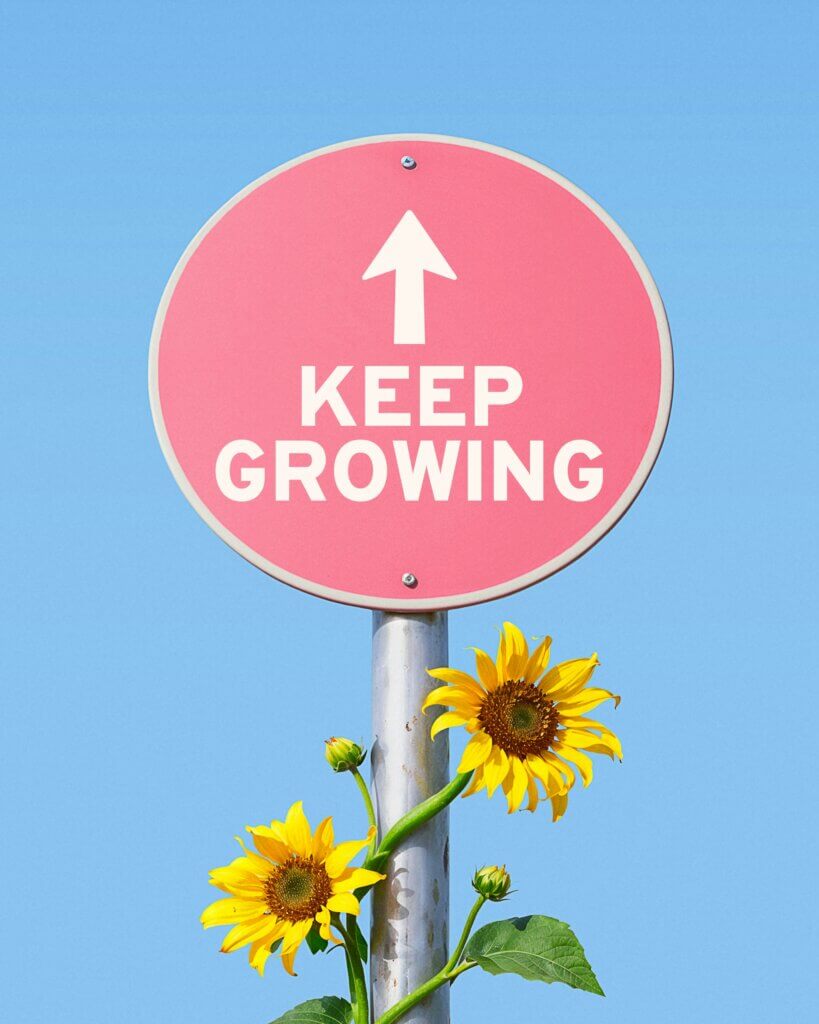
Photo by Shamblen Studios on Unsplash
TL;DR
The revenue target is the easiest thing to cling to, but it doesn’t motivate people. It’s the story that does. So, the question for boards isn’t “How big can we get?” It’s “What impact are we here to make, and how does growth serve that?”
Boards set the tone here. If they treat growth like a story, people engage with it. If they treat it like a number, people tune out. Folks aren’t motivated by spreadsheets (no offense to the Excel nerds). They rally around something they can see themselves being part of.
And if that piece is missing, you don’t have clarity. You just have numbers.
Author
Sagan Rossi started their career in communications, marketing, and brand strategy, helping companies figure out what they wanted to say for nearly 20 years.
Today, they are the founder of NorthSpark Coaching and Consulting, where they work as a team, systemic, and leadership coach. Their focus is on helping leaders and teams work better together: through communication, trust, and the often unseen dynamics that shape how people collaborate and make decisions.
Sagan is an HHJ-certified board member, Practice and Development Lead on the EMCC Finland board, and a Boardman member.
Boardman is a think tank offering professional development and visibility to international executives in Finland, through high-quality networking events and training in governance, leadership and impactful decision making.