
BoardTalks Podcast – What Could Finnish Boards Learn from American Governance Models?
05.02.2026
 In this special episode of Boardman’s BoardTalks podcast we speak with experienced global executive and board member Susan Repo, whose background includes senior roles at Tesla, Iceye, MariaDB and several NASDAQ‑listed companies. Now serving on Fiscars Group’s board, she offers a rare comparative view from inside both Finnish and US boardrooms.
This episode is essential listening for company owners, board members, and top executives who want to sharpen their governance competencies. Repo’s comparison of Finnish and US board practices reveals critical structural and cultural differences that influence board effectiveness, agility, risk‑taking, and strategic impact.
The guest is interviewed by Boardman member and Partner at PwC Finland Michael Hardy with commentary by Boardman CEO Taru Lindeman.
Tune in below!
Big differences in the role of audit committees
Finnish audit committees serve primarily as preparatory bodies, while US equivalents are empowered to make significant decisions independently – especially in periods of financial or operational stress. Repo describes weekly audit committee meetings, direct involvement with management and active responsibility for issues such as delayed filings or control weaknesses. This proactive structure gives US boards earlier visibility and stronger oversight.
In Finland, ultimate decisions typically move to the full board, even when audit committee members have deeper expertise. While this ensures formal governance discipline, Repo notes it can slow resolution and shift complex decisions to those less familiar with the details. For leaders, the question becomes: are boards fully harnessing the committee structure to improve speed, insight and accountability?
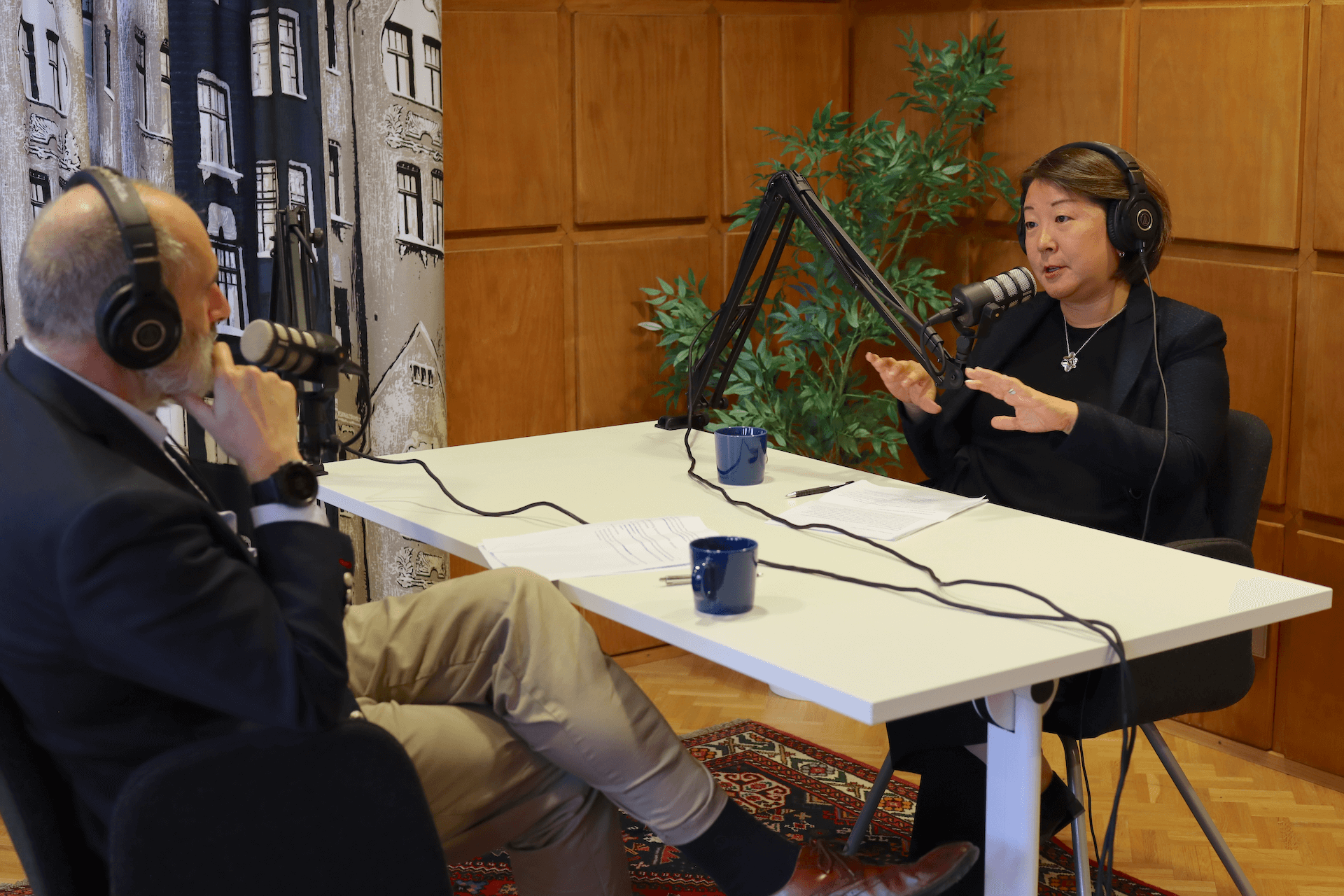
Michael Hardy and Susan Repo discussion the Board Governance differences between Finland and the US.
Consensus vs. Constructive – Differences in Communications Styles
Repo sees a marked cultural difference in how boards communicate. In the US, open challenge, frequent debate and direct feedback to management are standard and accepted. Board members also interact extensively outside meetings, building trust that enables more candid discussions inside the boardroom.
Finnish boards are more formal and consensus‑oriented, with disagreements often voiced privately. While this supports harmony, it can reduce agility and diminish the board’s strategic influence. Repo suggests Finnish boards could benefit from more real‑time dialogue and a stronger culture of constructive challenge—especially for companies facing rapid market change.
More Hands-on Approach to Nominations in the US
All BoardTalks episodes are available on the following platforms:
BoardTalks is a podcast that explores the world of boards, ownership, decision-making, and leadership. Each episode features insightful conversations with experienced board members, executives, and owners, sharing valuable lessons from their careers. We dive deep into boardroom practices and discuss the latest trends and challenges shaping decision-makers’ agendas.