
BoardTalks Podcast – Why do Finnish boards need more international expertise?
05.12.2025
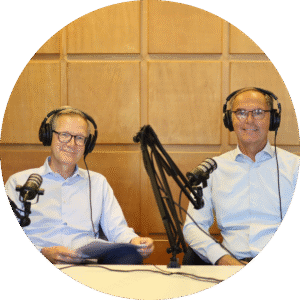 Bob Esmeijer is the Netherlands-based Chair of the Board of Finnish LED lighting company Helvar Components. Philip Aminoff is one of its owners and Chair of its parent company, Helvar Merca.
In this special episode of Boardman’s BoardTalks podcast, the two guests discuss the benefits of having international talent in the boardroom, the differences in board practices between Finland and the Netherlands, as well as the intricacies of running a board in a family-owned company.
The two guests are interviewed by Michael Hardy, a member of Boardman’s network and Partner at PwC Finland.
Tune in below to get the perspectives of both the owner and the chair!
Getting international expertise into the boardroom
Helvar Components’ decision to look beyond Finnish borders for board members was driven by necessity. As Philip Aminoff explains, the company’s business had become highly international over decades, with very few customers remaining in Finland. To truly understand global customers and industry dynamics, the board needed perspectives from outside the local market.
International members bring more than just geographic diversity—they offer industry-specific knowledge and cultural insight. In Bob Esmeijer’s case, his decades of experience in the lighting industry and prior collaboration with Philip made him an ideal candidate. Aminoff emphasized that recruiting a board member should start with defining the company’s strategy and then identifying the skills and perspectives needed to succeed globally.
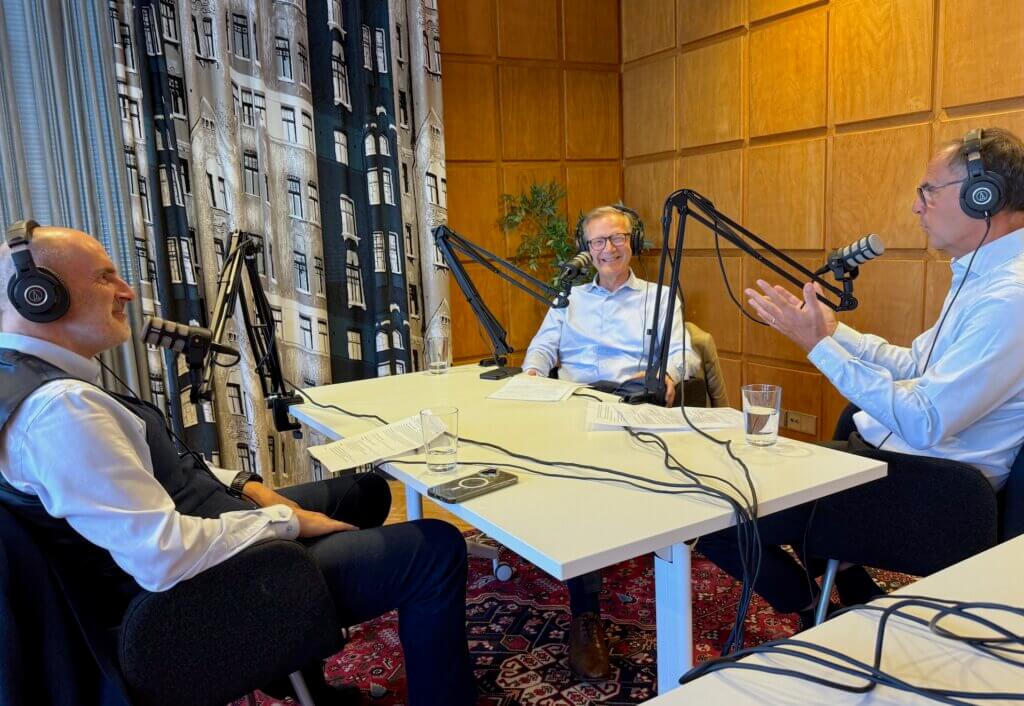
Host Michael Hardy and guests Philip Aminoff and Bob Esmeijer discussing the differences of board governance in Finland and the Netherlands.
Finnish board have more formality and structure
Bob Esmeijer’s first impressions of Finnish board meetings revealed notable cultural contrasts. Based on his experience, Finnish boards tend to be formal and structured, diving straight into agenda items without the informal check-ins common in Dutch meetings. While this approach ensures efficiency, it can limit opportunities for relationship-building and open discussion.
Another difference lies in decision-making dynamics. In Finland, once a decision is made, the board moves on without revisiting the topic—a stark contrast to Dutch boards, where decisions may be reopened later for further debate. Esmeijer also notes that Finnish boards could benefit from more informal interactions to foster trust and encourage broader conversations beyond the strict agenda.
Navigating decision-making in family owned businesses
Family ownership adds another layer of complexity to board governance. Aminoff highlighted the risk of decisions being made outside the boardroom in family businesses. To mitigate this, his family ensures that the board has a majority of non-family members and an independent chair. This structure guarantees that discussions and decisions happen transparently during board meetings.
Both guests agreed that family-owned companies offer advantages, such as the ability to focus on long-term objectives rather than quarterly results. However, they also require careful governance to avoid informal decision-making and maintain professional standards. Independent voices on the board help balance family interests with the company’s strategic needs.
All BoardTalks episodes are available on the following platforms:
BoardTalks is a podcast that explores the world of boards, ownership, decision-making, and leadership. Each episode features insightful conversations with experienced board members, executives, and owners, sharing valuable lessons from their careers. We dive deep into boardroom practices and discuss the latest trends and challenges shaping decision-makers’ agendas.